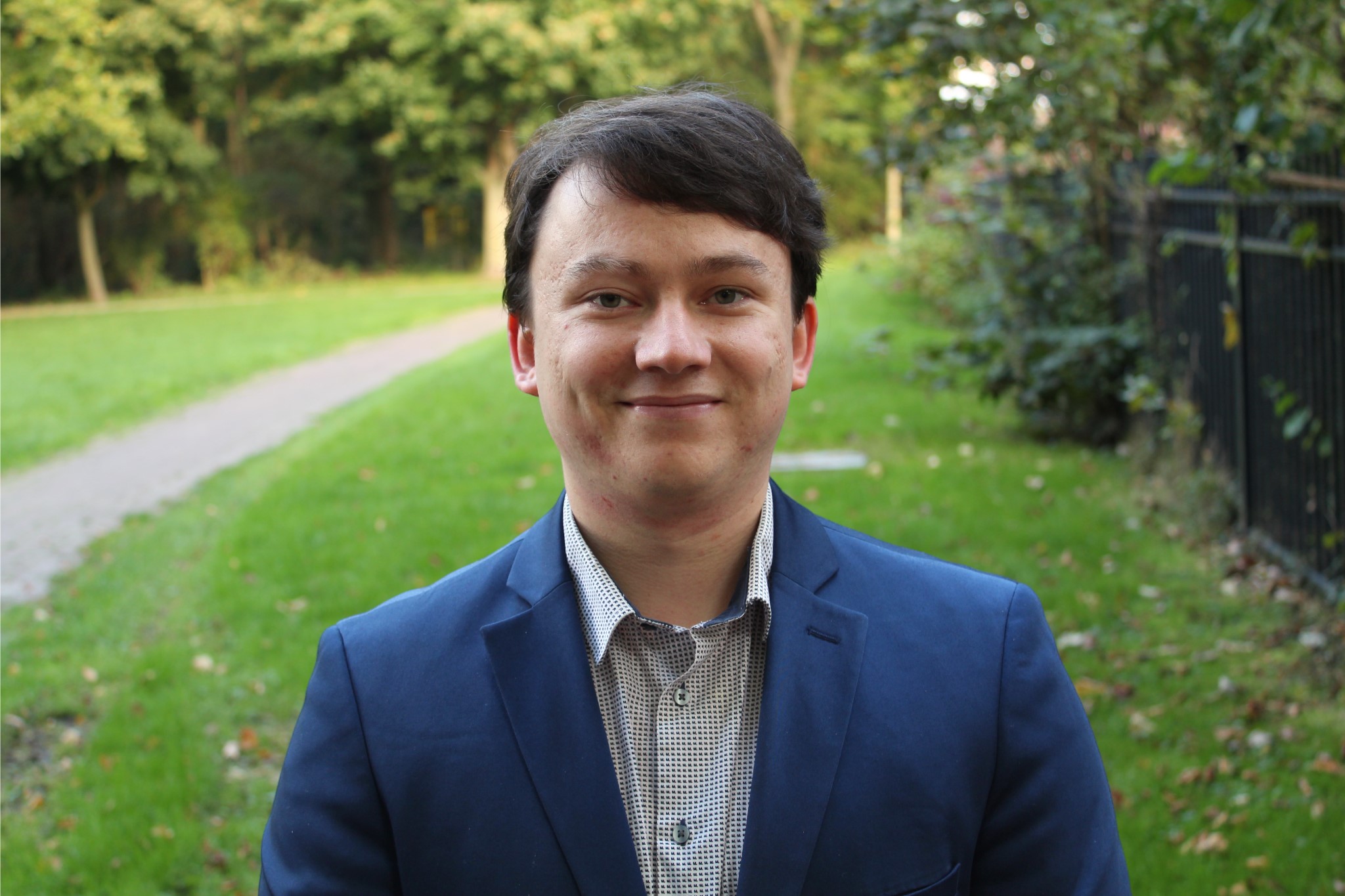
Stefan Gaillard is a metascientist doing scientific research on how science works and can be bettered. His work centers on understanding the value of failure in science and everyday life. He is co-founder and chair of the scientific Journal of Trial and Error, which publishes failed research. His work emphasizes that failure is a constitutive, informative feature of how scientific knowledge is produced.
He has formal training in chemistry, history, philosophy, and psychology. In previous years, Gaillard worked as project coordinator at the interdisciplinary platform The New Utrecht School and wrote a report on how to deal with medical misinformation for the Dutch government. An avowed capitalist and believer that people should have the freedom to pursue their own happiness, he has been involved in both local as well as national politics.
Gaillard is currently pursuing a PhD in Philosophy and Science Studies at Radboud University, where he investigates how to improve self-correction in science. Gaillard aims to continue building an international community committed to improving the efficiency and reliability of science. Through his leadership, he encourages scientists and professionals to confront failure and embrace trial-and-error in their research.
A published author, keynote speaker, and public intellectual, Gaillard advocates for science that embraces failure as a driver of progress. He is a firm believer that genuine scientific and technological innovation emerges not from avoiding mistakes but from engaging them rigorously and without stigma. His talks highlight the various ways in which publishing scientific failures can increase the efficiency and reliability of science. He regularly works with universities, scientific journals and R&D companies seeking to improve research practices by learning systematically from failure.
Gaillard is an avid Dungeons & Dragons player, a hobby that reflects his love of strategic thinking, worldbuilding, and storytelling. He was selected for Forbes 30 Under 30 in the category Science & Healthcare for his contributions to rethinking research culture. Outside of his academic work, he enjoys discussing philosophy, economics, and politics with friends and strangers alike.